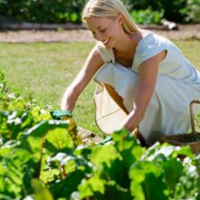
Organic vegetable gardening can be practiced at home.
Anyone may conduct organic vegetable planting at home because the principles are similar to those used on farms. The only difference is that you work in a smaller area and can choose what plants you want to grow.
The first step is to find the appropriate location. A lot of individuals grow organic vegetables in their backyard. To make it work, anything you’re planting should receive at least 6 hours of sunlight each day and have access to water.
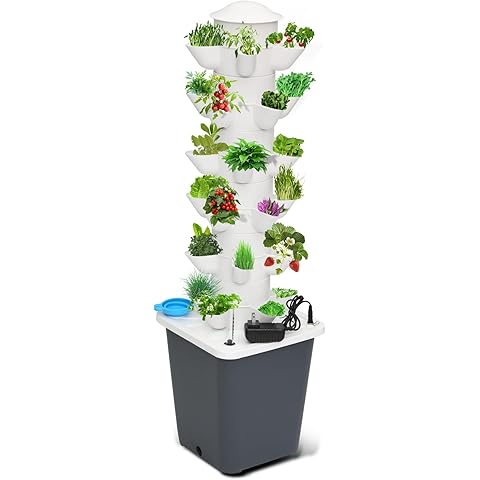
Just as past civilizations relied on an efficient irrigation system, you should do the same by ensuring enough drainage; otherwise, you will have to undertake organic vegetable gardening in a raised bed.
Once you’ve located your ideal location, it’s time to start cultivating the land. To remove the weeds from the ground, you will need gardening tools and gloves. It may take a few days to ensure the area is ready for planting.
You will only know if the ground where you intend to plant your vegetables is suitable by testing it with compost and mixing it with the soil. If it can integrate and stabilize itself in the soil, you may begin planting your crops and watch them grow over the next few weeks.
If you don’t want to buy compost from a garden center, you may make your own with coffee grounds, dead leaves, grass clippings, food waste, or even manure. They also make wonderful fertilizer.
Take notice that some veggies may not be ideal for the land on which you are planting them. This is due to various factors outside your control, including the weather, pests, and other plant-borne diseases. To prevent making this error, do some research on what vegetables are best to plant in your area and consult other organic gardeners.
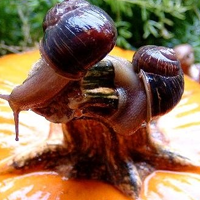
Planting a variety of organic vegetables at the same time can help protect them from pests. Such a process is known as crop rotation, and it is particularly useful when attempting to adapt to local weather patterns. Another effective protection technique is enlisting the support of Mother Nature, as birds, certain insects, and even toads have proven to be beneficial.
If you reside in a region where wild animals may eat your vegetables, you should install fences to prevent them from getting through. Other tools include animal hair, baby powder, and deodorant soap.
Weed removal is part of the land preparation process. However, keep in mind that new weeds will sprout after some time, so monitor the area on a regular basis.
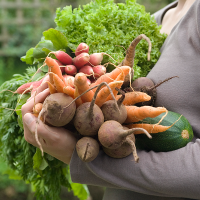
Planting your own organic vegetable garden at home would undoubtedly save you money, as they are relatively pricey in supermarkets. If you have excess stocks when it’s time to harvest them, maybe you can donate some to your neighbors or make some money by selling it at the local market, which isn’t that bad considering that you don’t shell out much cash for this investment.